The award
2024 Edition – Call for nominations
About the Award
Past Editions
2023 Edition
2022 Edition
2021 Edition
2020 Edition
Laureates & Finalists
Programs
News
About us
Contact
Menu
The award
2024 Edition – Call for nominations
About the Award
Past Editions
2023 Edition
2022 Edition
2021 Edition
2020 Edition
Laureates & Finalists
Programs
News
About us
Contact
EN
FR
News
News
Uncategorized
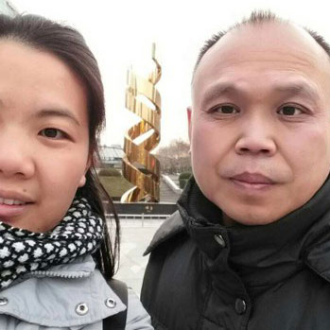
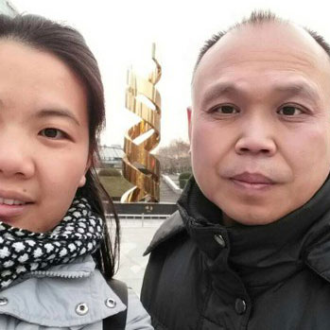
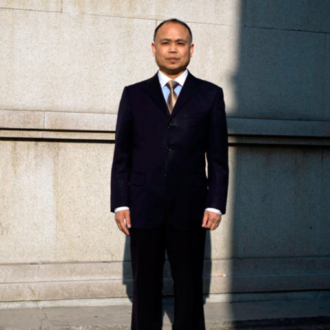
CHINA: IMMEDIATELY RELEASE HUMAN RIGHTS LAWYER YU WENSHENG AND ACTIVIST XU YAN
April 13, 2024
Emploi
Job Opening
We’re hiring a Project Coordinator to lead the 30th Anniversary celebration 2024!
January 9, 2024
News
Soltan Achilova MEA2021 denied travel to Geneva Human Rights Week
November 21, 2023
News
News
Uncategorized
The Middle East comes to Geneva
June 28, 2023
News
News
Uncategorized
China-watching: Why is China so afraid of civil society?
June 28, 2023
News
News
Uncategorized
Well-being for Defenders, by Defenders: Reflections on the Martin Ennals Award Peer-Coaching Program
June 28, 2023
News
News
Uncategorized
Updates on the 2024 Edition
June 28, 2023
News
News
Uncategorized
Uganda: Appalling anti-homosexuality act must be immediately repealed
May 30, 2023
News
News
Uncategorized
Bangladesh: Stop Targeting Odhikar and Its Leadership Respect the Fundamental Rights to Freedom of Association and Expression
May 22, 2023
News
News
Uncategorized
India: End reprisals against the Jammu and Kashmir Coalition of Civil Society (JKCCS) and human rights defenders in Kashmir
May 12, 2023
News
News
Uncategorized
Statement concerning the arrest of Yu Wensheng, Martin Ennals Laureate 2021 and his wife Xu Yan
May 5, 2023
News
News
Uncategorized
We are hiring!
November 10, 2022
News
News
Uncategorized
13 years later, Asmaou Diallo feels optimistic
October 14, 2022
News
News
Uncategorized
The difficult and narrow way to ending the death penalty in Iran
October 14, 2022
News
News
Uncategorized
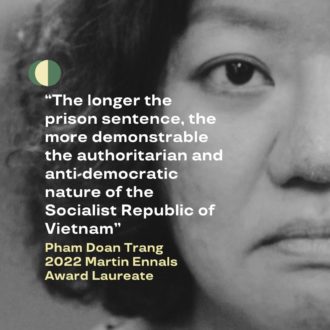
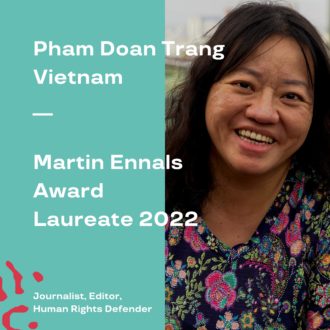
Appeal denied for Pham Doan Trang: Vietnam puts HRDs behind bars while lobbying for a seat at the HRC
August 26, 2022
News
News
Uncategorized
We are hiring a Communications and Events management intern!
August 11, 2022
News
News
Uncategorized
Everyone is at risk in Myanmar if the use of the death penalty is back
July 27, 2022
News
News
Uncategorized
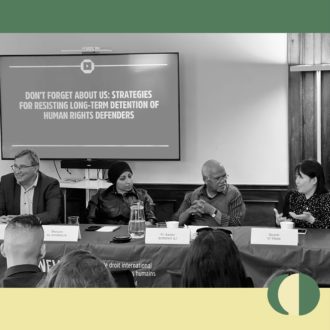
We can resist long-term detention of human rights defenders
June 28, 2022
News
News
Uncategorized
Vietnam, live up to commitments to Human Rights
May 30, 2022
News
News
Uncategorized
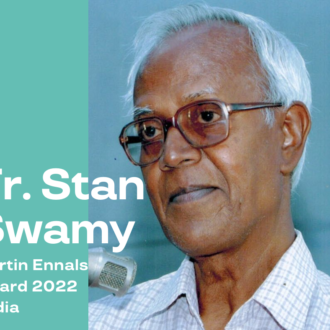
Jury of the Martin Ennals Award honours Father Stan Swamy (1937-2021)
May 30, 2022
Posts navigation
1
2
…
7
Next